Our Team

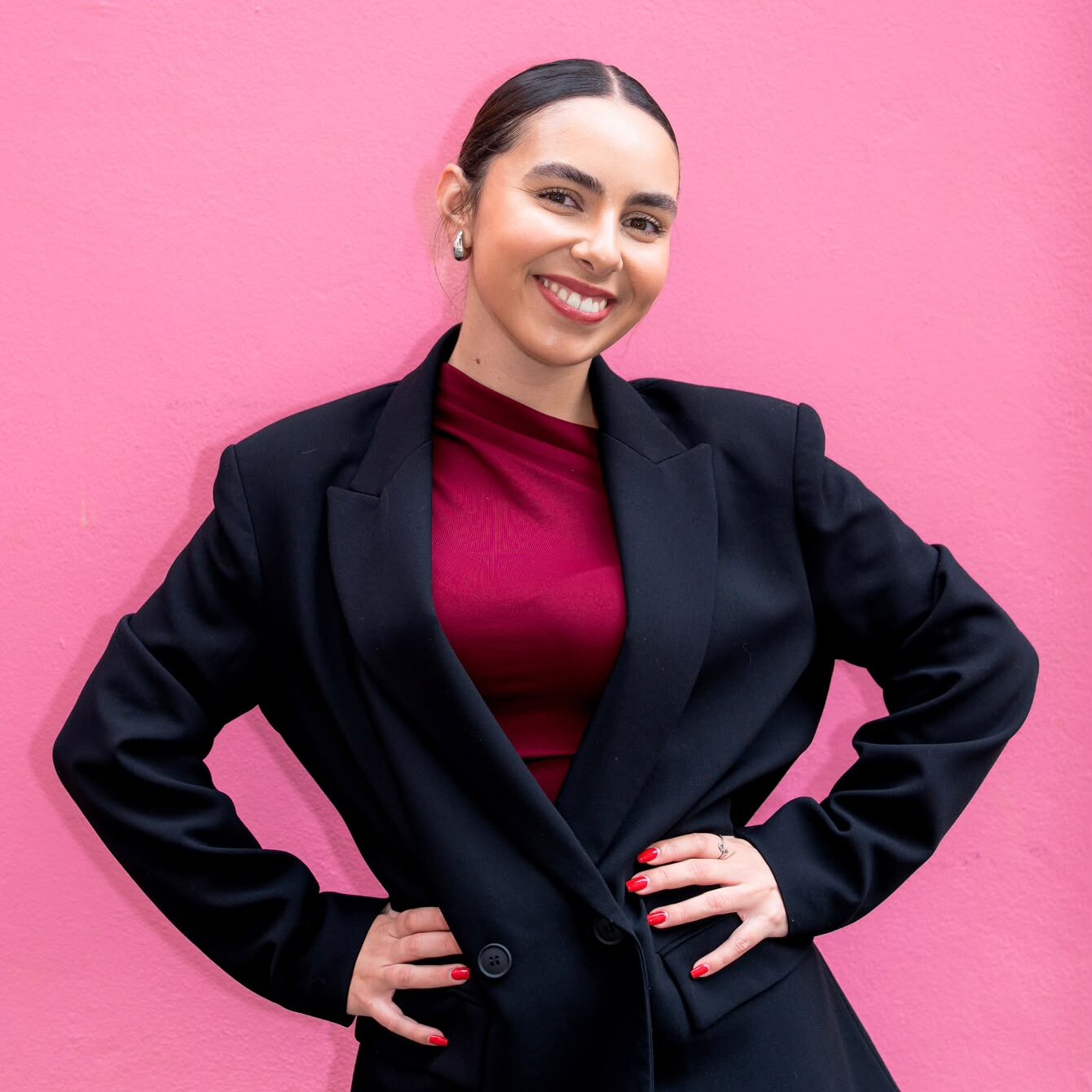
Sergi Bermúdez I Badia
Currently, I am a Marie Curie fellow at the Madeira-ITI, and assistant Prof. at the University of Madeira, where I teach for the Informatics, Human Computer Interaction and Entertainment Technologies Masters. I received my Msc. in telecommunications engineering from the Universitat Politecnica de Catalunya (UPC) and a PhD from the Swiss Federal Institute of Technology Zürich (ETHZ). I have pursued research at several institutes in Europe and the USA, including the Laboratoire de Production Microtechnique at the EPFL (Lausanne), the Institute of Neuro informatics at the ETHZ (Zurich), at the Institute of Audiovisual Studies at the Tecnology Department of the Universitat Pompeu Fabra (Barcelona), where I was a Juan de la Cierva research fellow and head of the Robotic Systems Laboratory at the laboratory for Synthetic Perceptive, Emotive and Cognitive Systems (SPECS), and the Quality of Life Technologies and Entertainment technology centers of the Carnegie Mellon University (Pittsburgh). My scientific goal is to investigate the underlying neural mechanisms of biological systems and to exploit them using real world artefacts, with special emphasis in neuro-rehabilitation systems, interactive technologies and robots. Past Projects: Rehabilitation Gaming System (AAL/ISCIII PI08/90940), Robot Ecology, NEUROCHEM: biologically inspired computation for chemical sensing (FP7 216916), PRESENCCIA: Presence Research Encompassing Sensory Enhancement, Neuroscience, Cerebral-Computer Interfaces and Application (FP6 IST 27731), AMOTH: A Fleet of Artificial Chemosensing Moths for Distributed Environmental Monitoring (FP5 IST-2001-33066)
Website: http://sergibermudez.blogspot.com
Mónica Cameirão
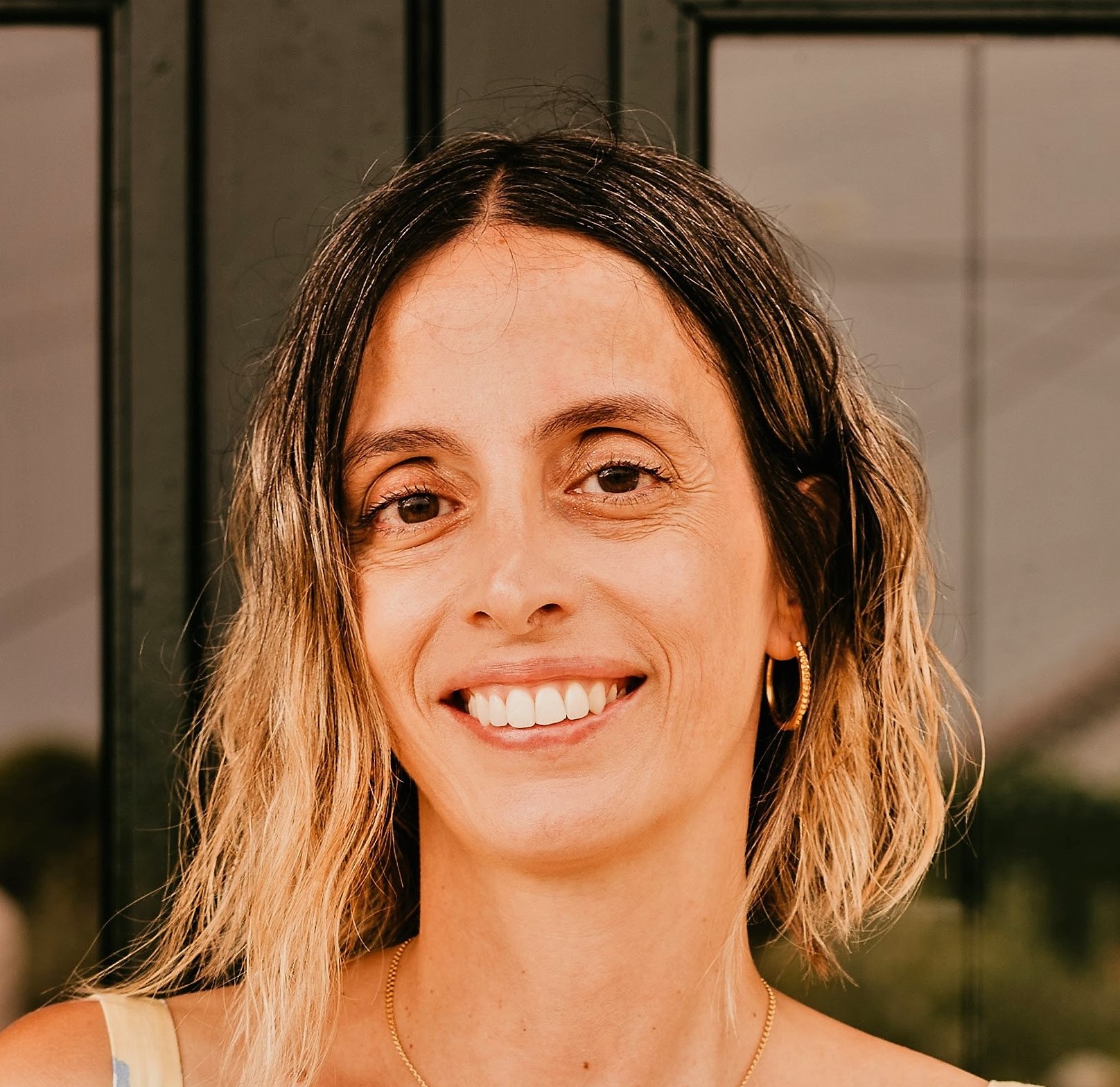
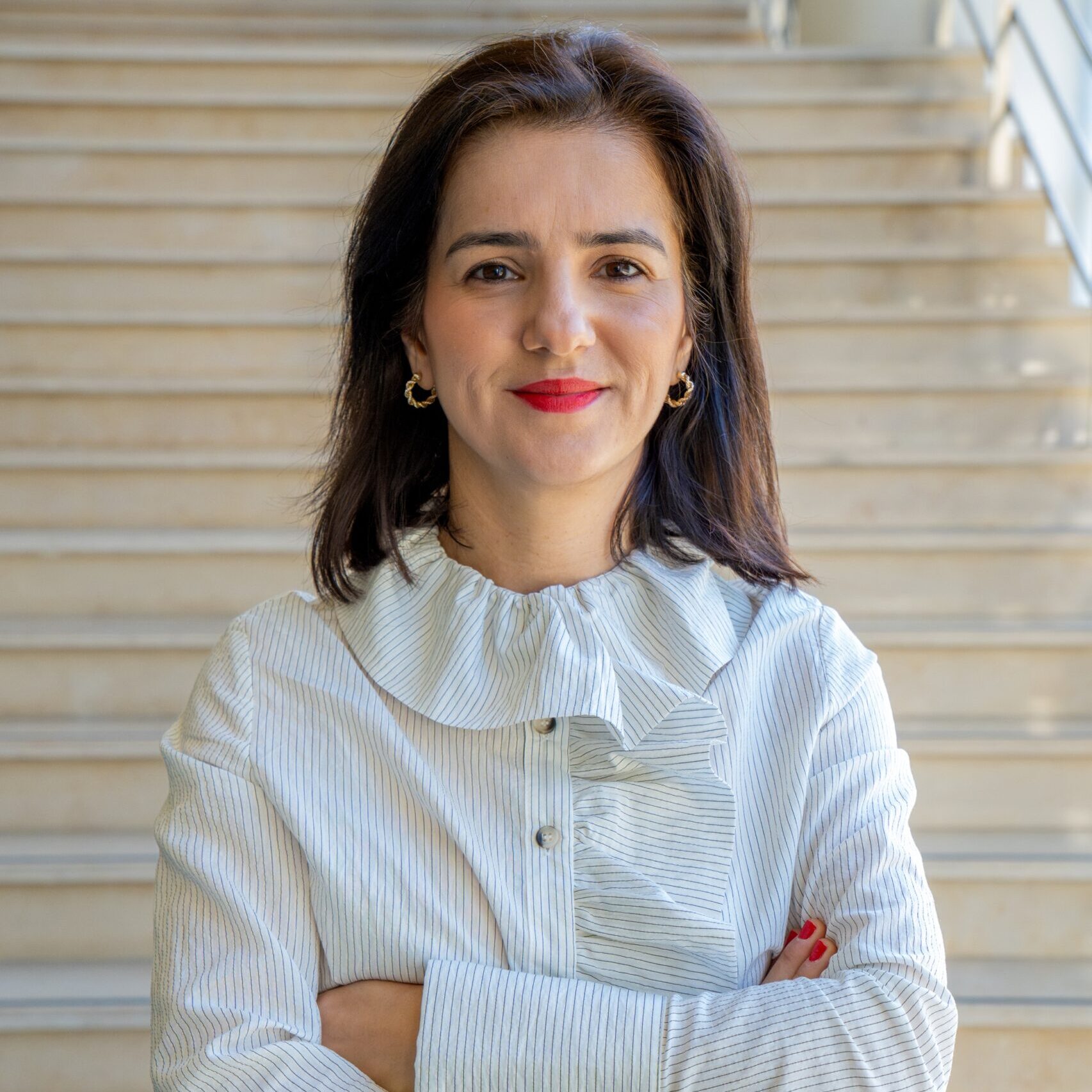
Mónica is an Assistant Professor and researcher at the University of Madeira (UMa) and integrated member of the NOVA Laboratory for Computer Science and Informatics (NOVA LINCS). She is the current Director of the PhD Program in Informatics Engineering of UMa. In the past she worked as research assistant at the SPECS Laboratory of the Universitat Pompeu Fabra and at the Institute of Neuroinformatics, ETH-Zürich, Switzerland; and was visiting scholar at the Quality of Life Technologies center of Carnegie Mellon University. Since Mónica arrived in Madeira in 2011, she has been co-principal investigator and co-founder of the NeuroRehabLab Research Group, an interdisciplinary research group that investigates at the intersection of technology, neuroscience and clinical practice to find novel solutions to increase the quality of life of those with special needs. Mónica has been particularly involved in the development and clinical assessment of Virtual Reality (VR) technologies for stroke rehabilitation, exploring specific brain mechanisms that relate to functional recovery to approach motor and cognitive rehabilitation by means of non-invasive and low-cost technologies. More recently, Mónica has also been involved in the development of VR solutions for supporting mental health after early pregnancy loss. Her research addresses aspects such as serious gaming and personalization of training. In 2016, Mónica has been awarded the ISVR Early Career Investigator Award, an award granted by the International Society for Virtual Rehabilitation to recognize and acknowledge outstanding contributions by early career scientists whose research relates to virtual rehabilitation. Since 2020, Mónica is a member of the Ethics Committee of UMa.
Ana Lúcia Faria
I am a Health and Clinical Psychologist (Neuropsychology sub-specialty) by Ordem dos Psicólogos with a Ph.D. in Rehabilitation Psychology from the University of Coimbra in 2020. The main outcomes of my thesis were: the development of a new cognitive rehabilitation personalization framework with objective guidelines that were used to create three innovative tools-Task Generator, Reh@Task, and Reh@City and; its clinical validation with stroke patients from Madeira Health Service. In 2015 I was awarded a doctoral scholarship from ARDITI, with host institution M-ITI/LARSyS. During my doctoral studies, I have been involved in an EU project called RehabNet(303891 FP7-PEOPLE-2011). As a post-doctoral researcher, I was in the coordination team of an interdisciplinary project called BRaNT(PTDC/CCI-COM/31046/2017), which addresses the scientific limitations of current cognitive rehabilitation practices through virtual reality games that will allow automatic personalization through Artificial Intelligence approaches. Since 2010 that I teach as invited professor in the University of Madeira.
I published, mostly as first author, 8 articles in peer-reviewed journals such as Journal of NeuroEngineering and Rehabilitation (IF:4.632), Frontiers in Psychology (IF:2.323), Journal of Medical Internet Research RAT (IF:4.945) and Virtual Reality (IF: 3.634). Currently, I am working on a systematic review about the Ecological validity of virtual reality-based technologies for the assessment and rehabilitation of ABI, together with Universitat Politècnica de València researchers. Additionally, I published 1 book chapter and 12 conference articles, some ACM and IEEE. I was awarded a Best Student Paper Commendation in 2014 and 2016 ICDVRAT and Best Student Paper in the 2018 Conference on Applied Psychology and Human Behavior. I have been an active participant, with posters and oral presentations, in relevant clinical meetings, such as the International Congress of Neuropsychological Rehabilitation in ABI (Best Communication prize), the International Neuropsychological Society Meetings, and the European Stroke Organisation Conference.
Fábio Pereira
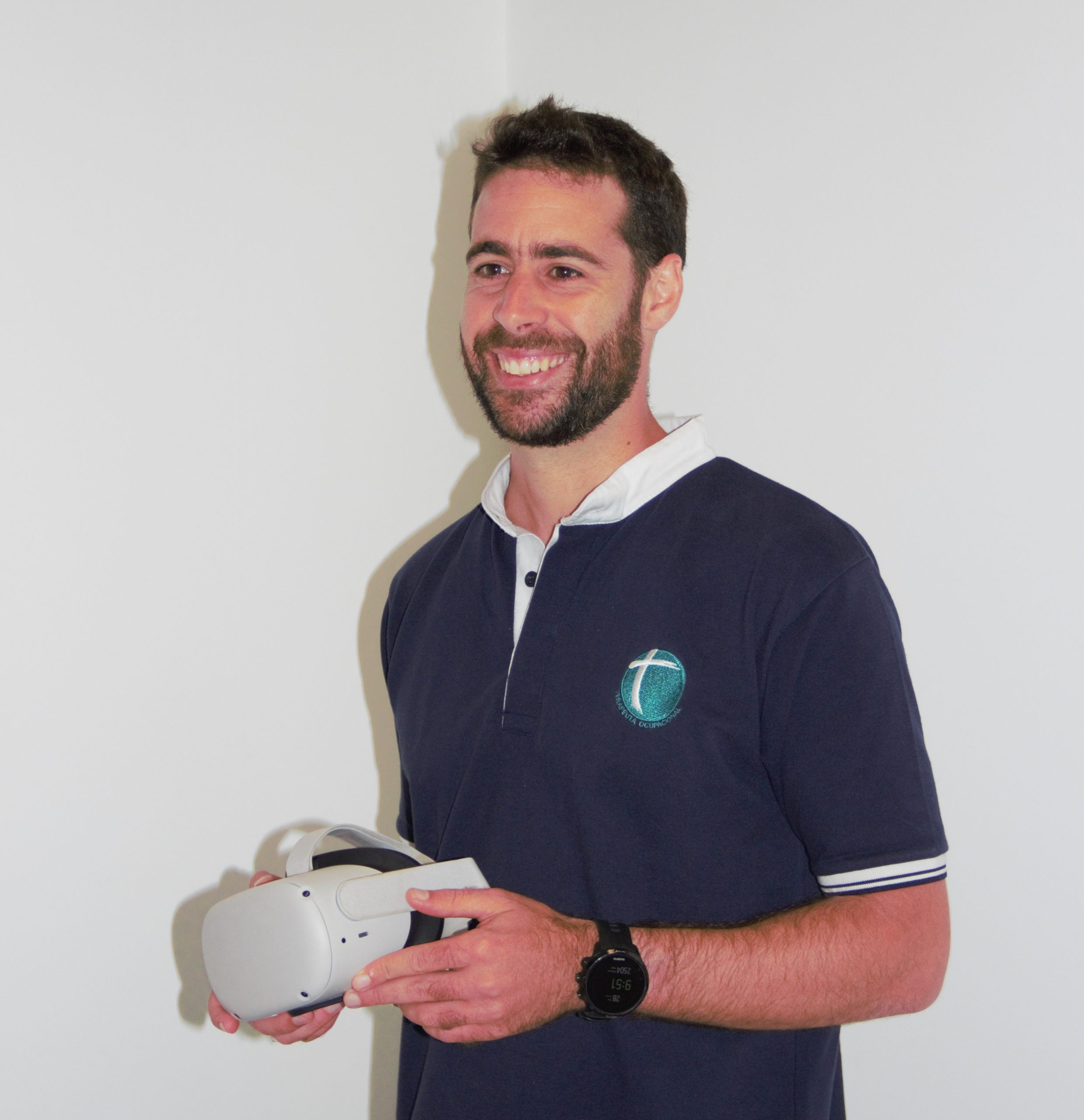
Occupational Therapist currently working at the Instituto de Segurança Social da Madeira, within the Department of Inclusion of Persons with Disabilities, where he is responsible for the management of a Living Lab dedicated to the development and implementation of innovative solutions for people with intellectual disabilities.
He holds a Bachelor’s and a Master’s degree in Occupational Therapy – Specialization in Gerontology from the Escola Superior de Saúde do Instituto Politécnico do Porto. He also completed a PhD in Computer Engineering, specializing in Human–Computer Interaction. His doctoral research focused on multi-user touch surfaces to promote social participation and self-efficacy in upper-limb stroke rehabilitation.
Previously, he worked at the Physical Medicine and Rehabilitation Service of SESARAM and was a researcher at NeuroRehabLab – ARDITI, integrating clinical practice with applied research in neurorehabilitation.
Throughout his professional career, he has also developed extensive intervention work with pediatric populations, particularly in Autism Spectrum Disorders, alongside broader experience across clinical and community-based settings.
Ciencia ID: https://www.cienciavitae.pt//pt/DA13-8E08-C979
Research Gate: https://www.researchgate.net/profile/Fabio-Pereira-24
Google Scholar: https://scholar.google.com/citations?user=1zccVfIAAAAJ&hl=en
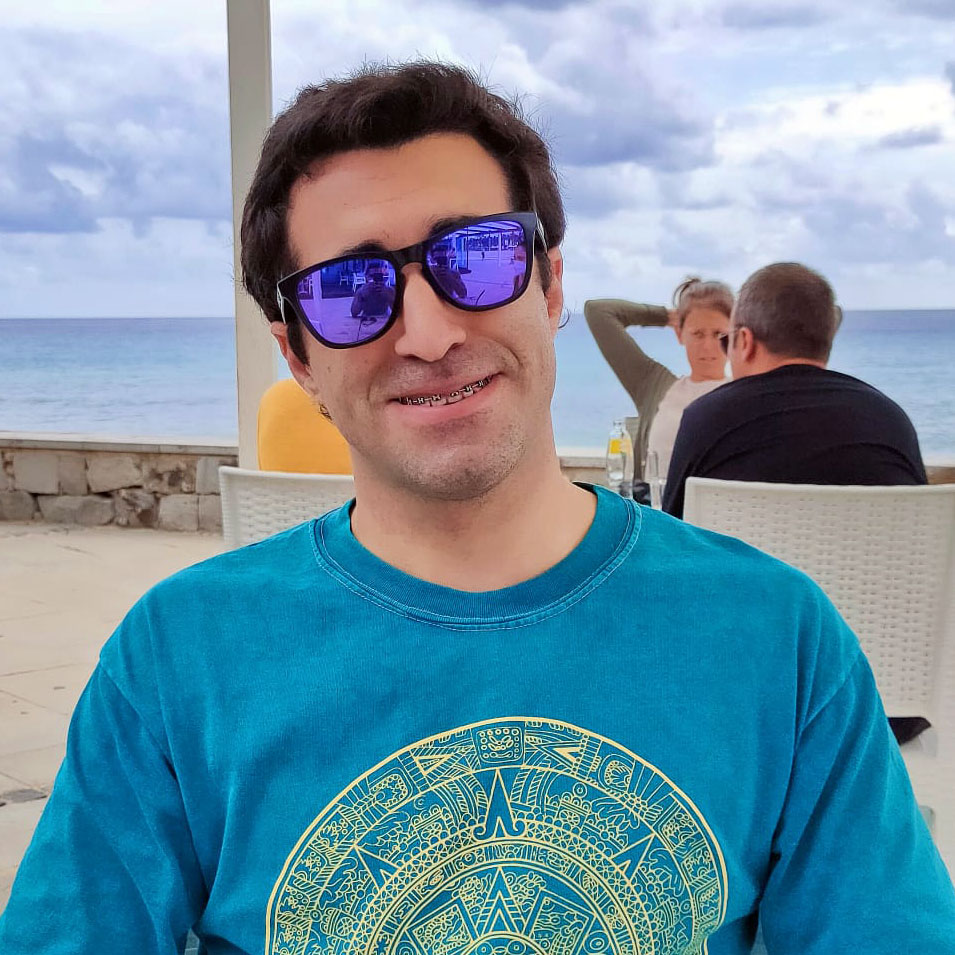
Postdoc
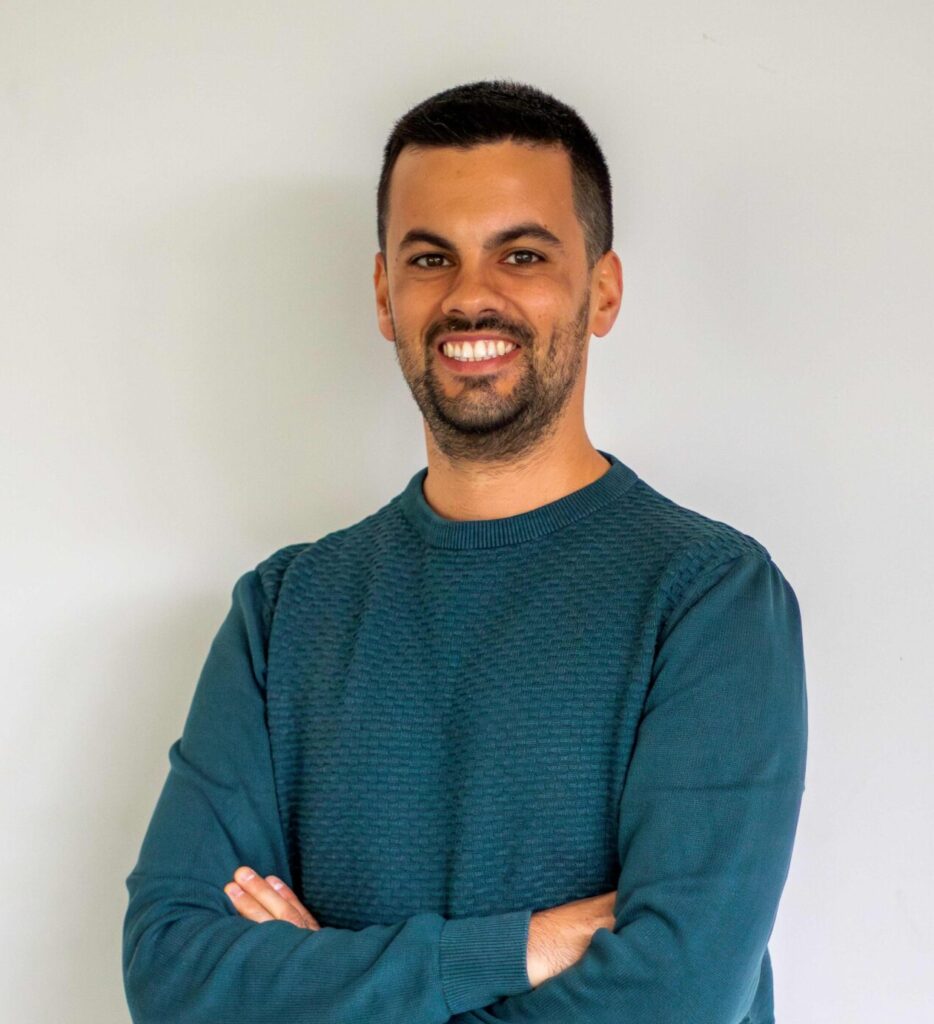
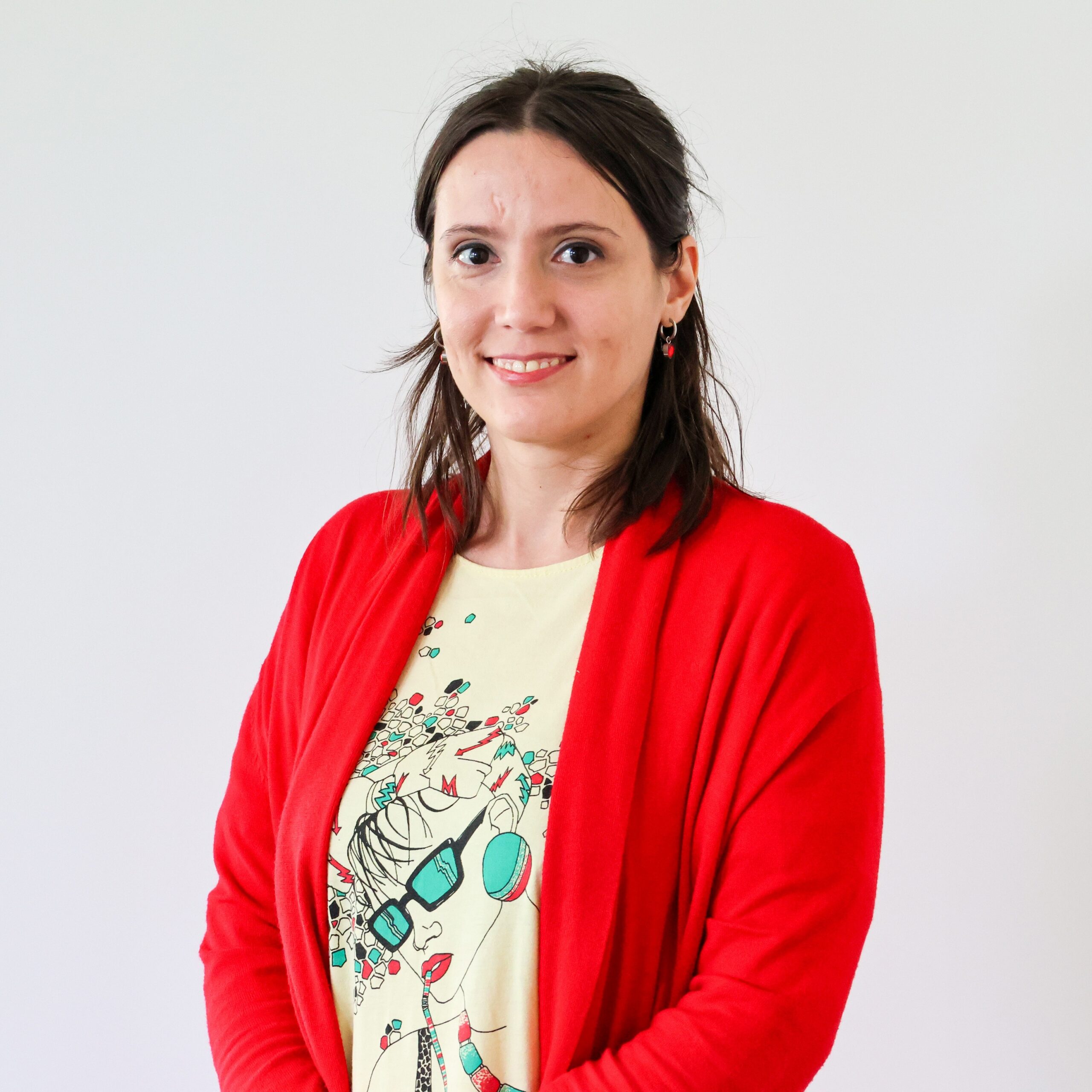
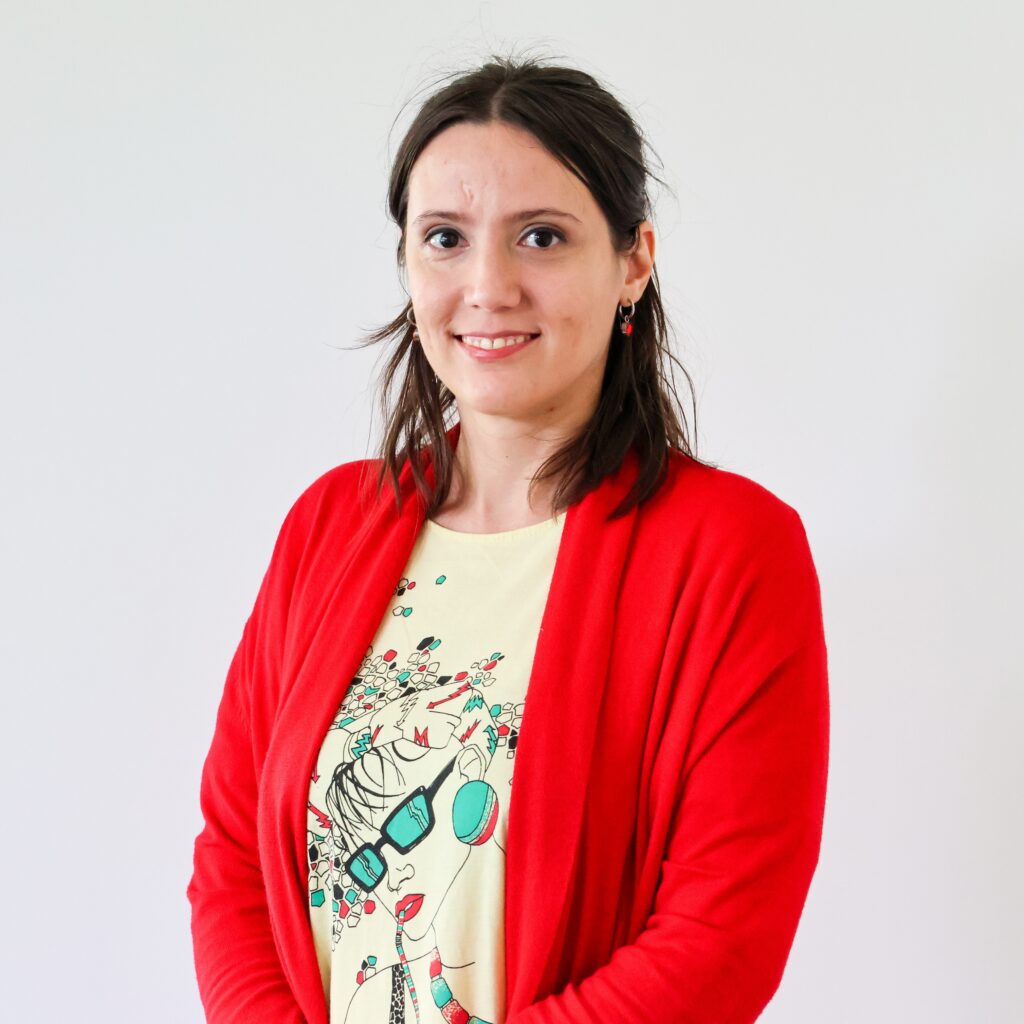
Luís Ferreira
Ph.D student in Digital Media at Faculdade de Ciências e Tecnologia and Madeira Technologies Institute…
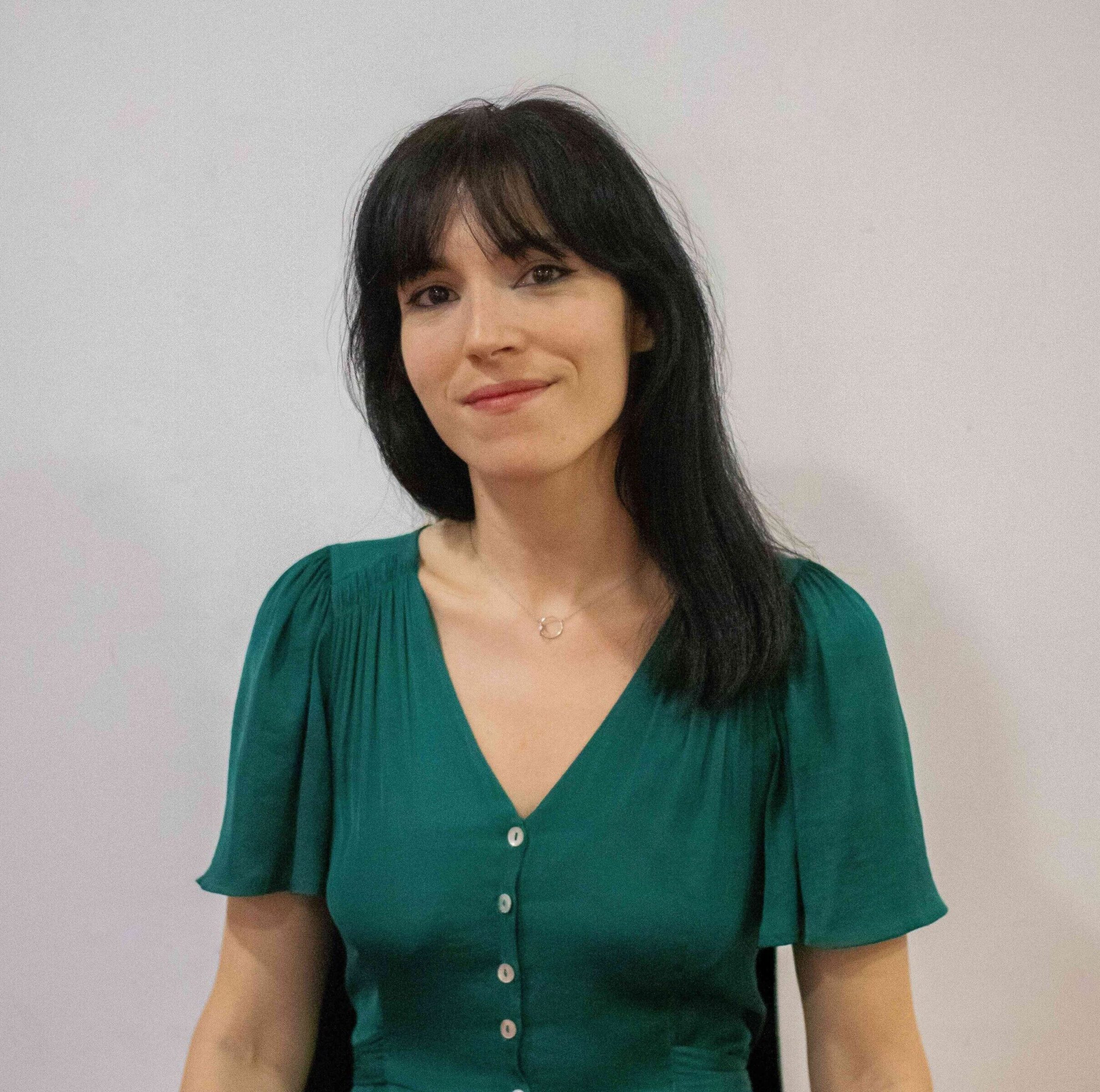
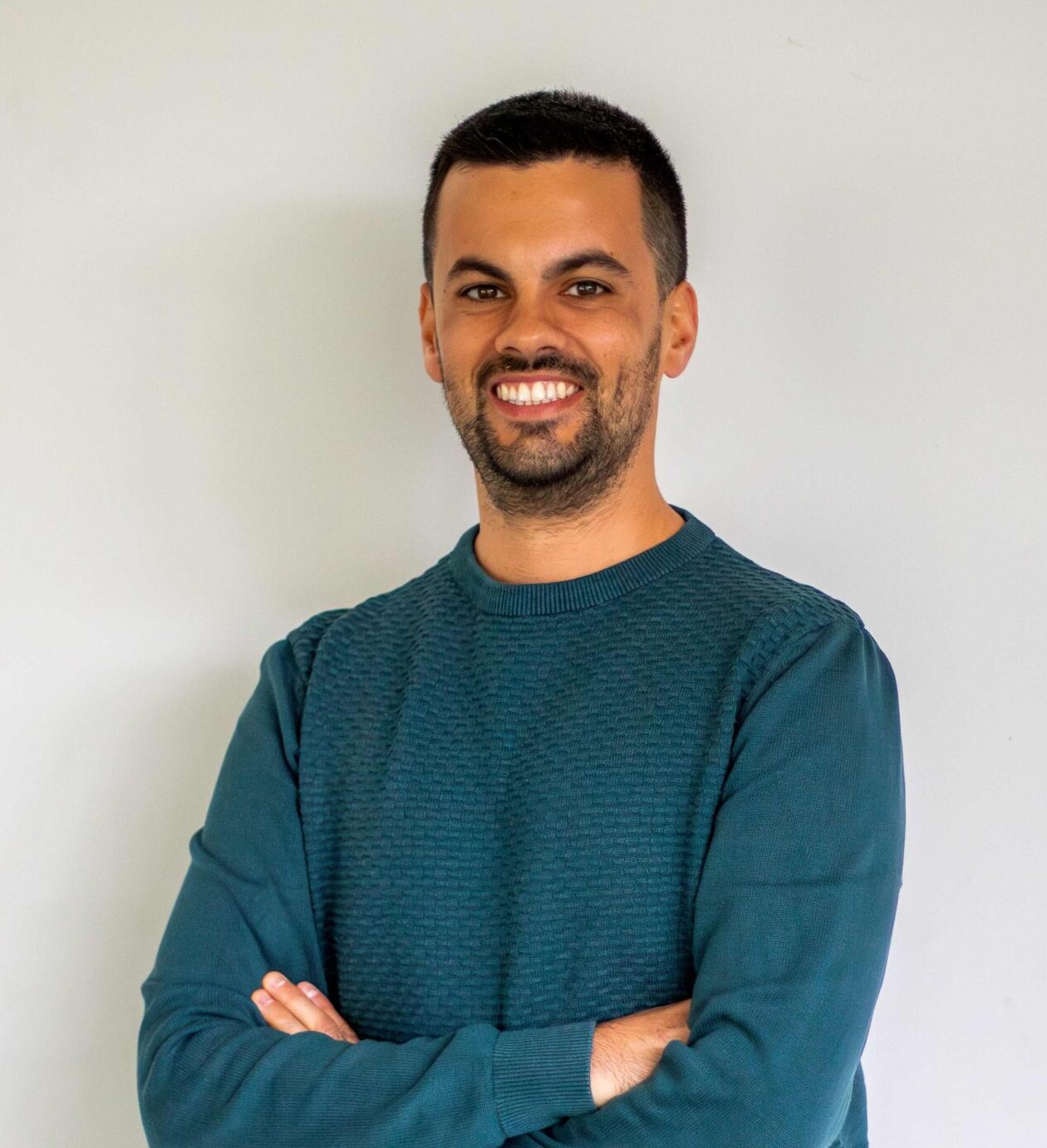
PhD / Researcher
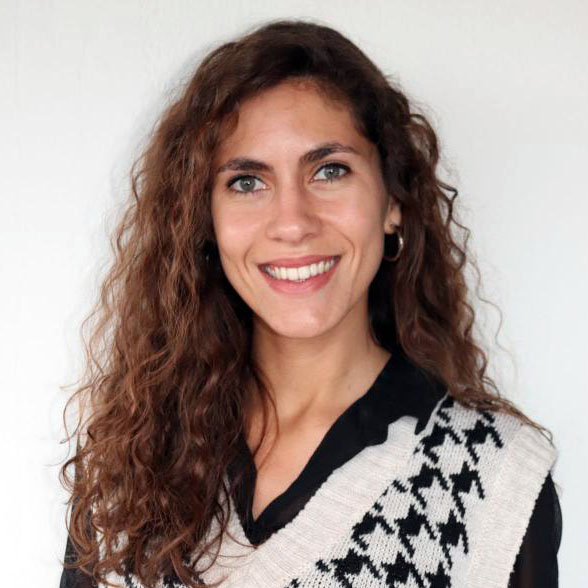
Diana Mendes
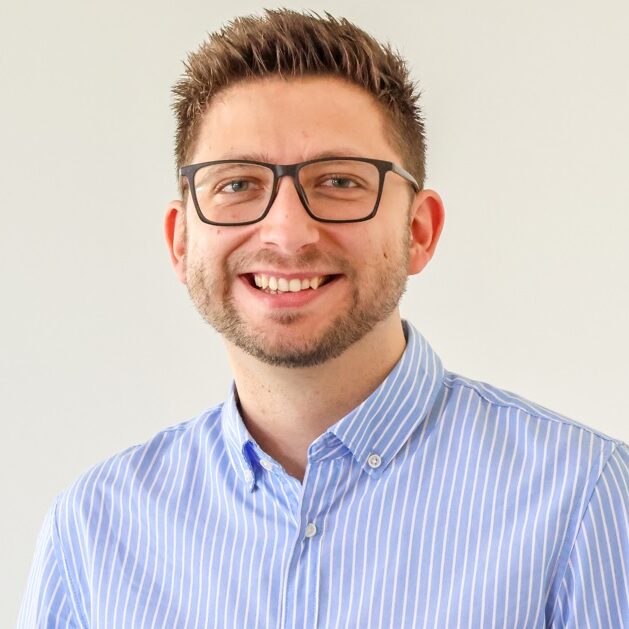
I hold a Bachelor’s degree in Arts and a Master’s Degree in Interactive Media Design, and I am currently a Ph.D. candidate in Computer Engineering. In my trajectory I have worked with the power of images, the role of AI and robotics in a transhuman society, and the development of 2D experiences for mental health purposes. Currently, I am expanding my interests and skills by researching and developing immersive Virtual Reality experiences for mental health, with a particular interest in the role of features such as landscapes, virtual agents, and gaming elements in preventive tools.
PhD Student / Researcher
Diogo Branco
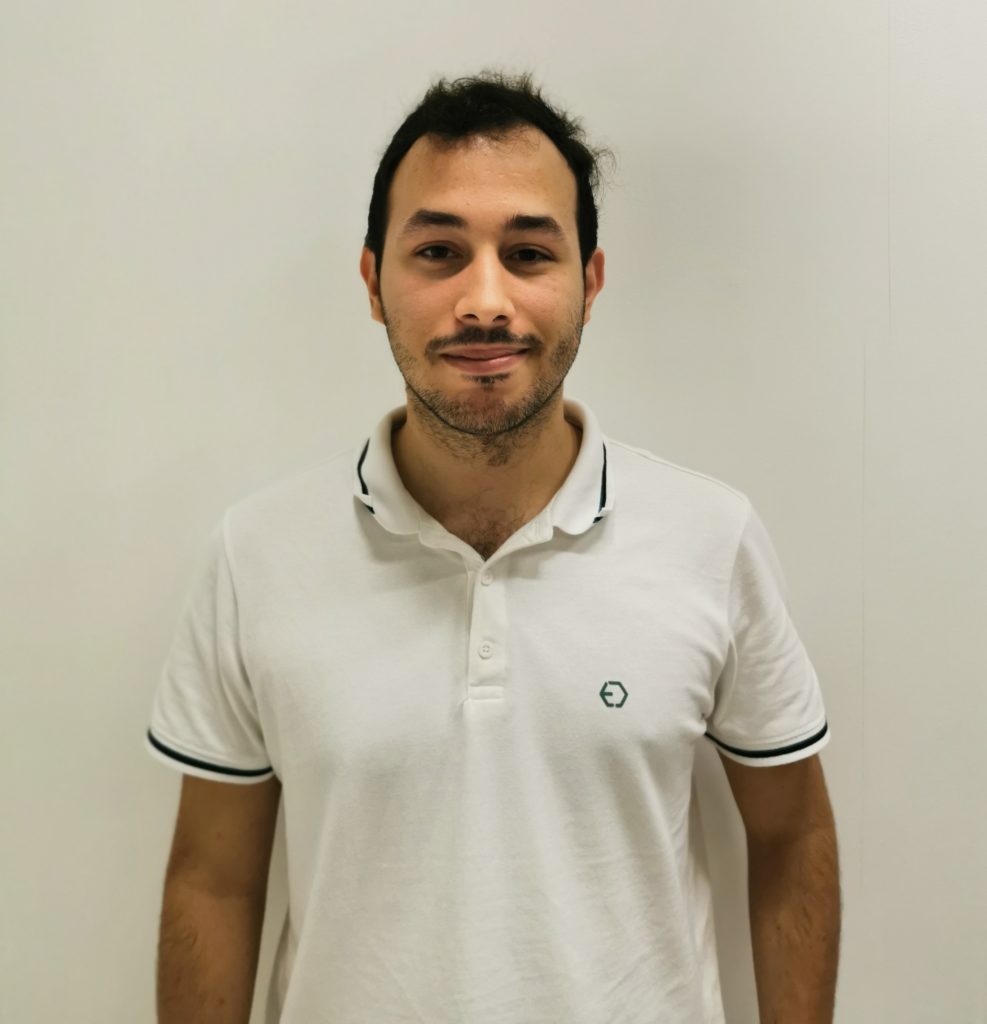
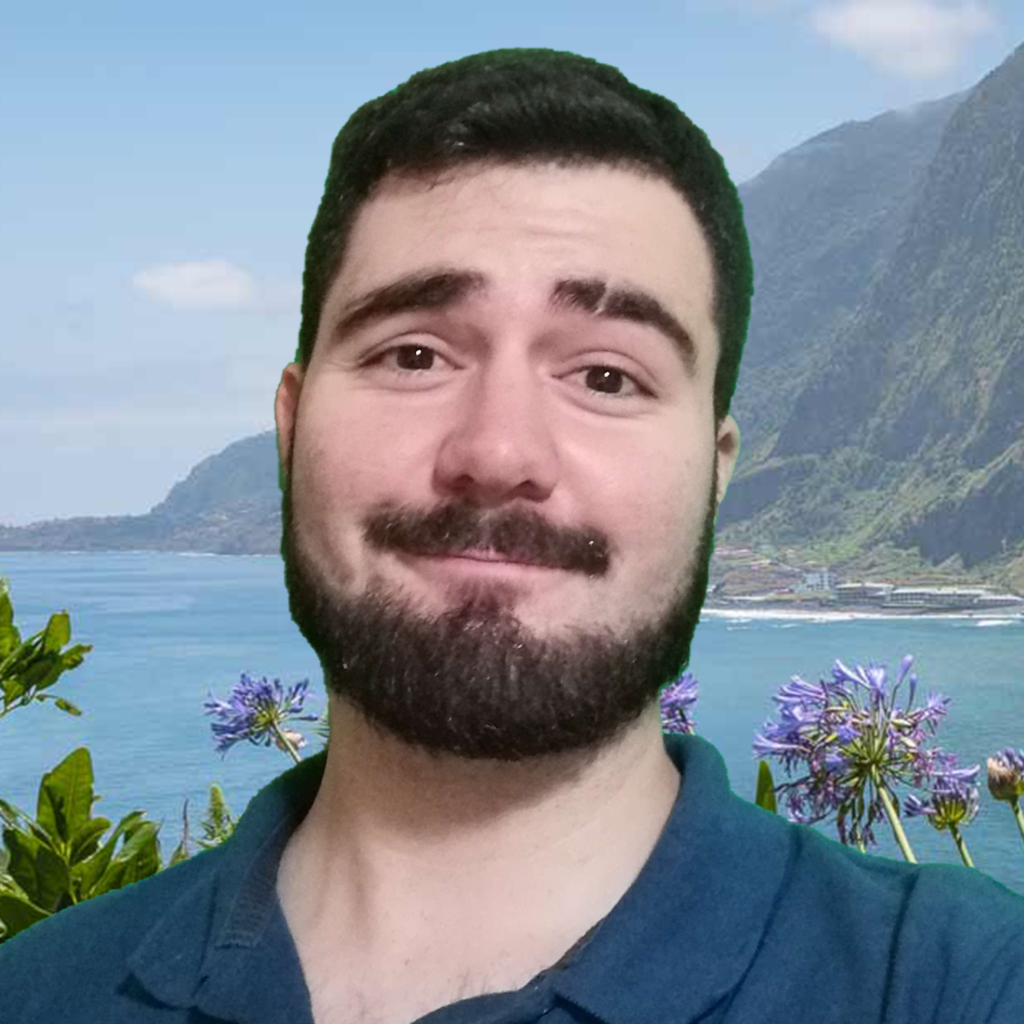
Diogo Branco received his B.Sc and M.Sc degrees in Clinical and Health Psychology from Portucalence University (UPT, Portugal) in 2016 and 2018, respectively. Currently is pursuing a Ph.D. degree in Informatics Engineering with a specialization in Human-Machine Interaction (HMI) at Madeira University, Portugal. His research is focused on HMI, combining technology, neuroscience, and clinical practice to find novel solutions for motor and mental rehabilitation to increase the quality of life of those with special needs. Furthermore, at the core of his research is the development of Virtual Reality Frameworks that, combined with physiological measures (EEG, SCL, and HRV), aims to produce novel tools for researchers and clinicians.
Google Scholar: https://scholar.google.com/citations?user=ur-VgPUAAAAJ&hl=en
ResearchGate: https://www.researchgate.net/profile/Diogo-Branco
CienciaID: https://www.cienciavitae.pt//en/F41F-2FCD-B6FE


PhD Student / Researcher
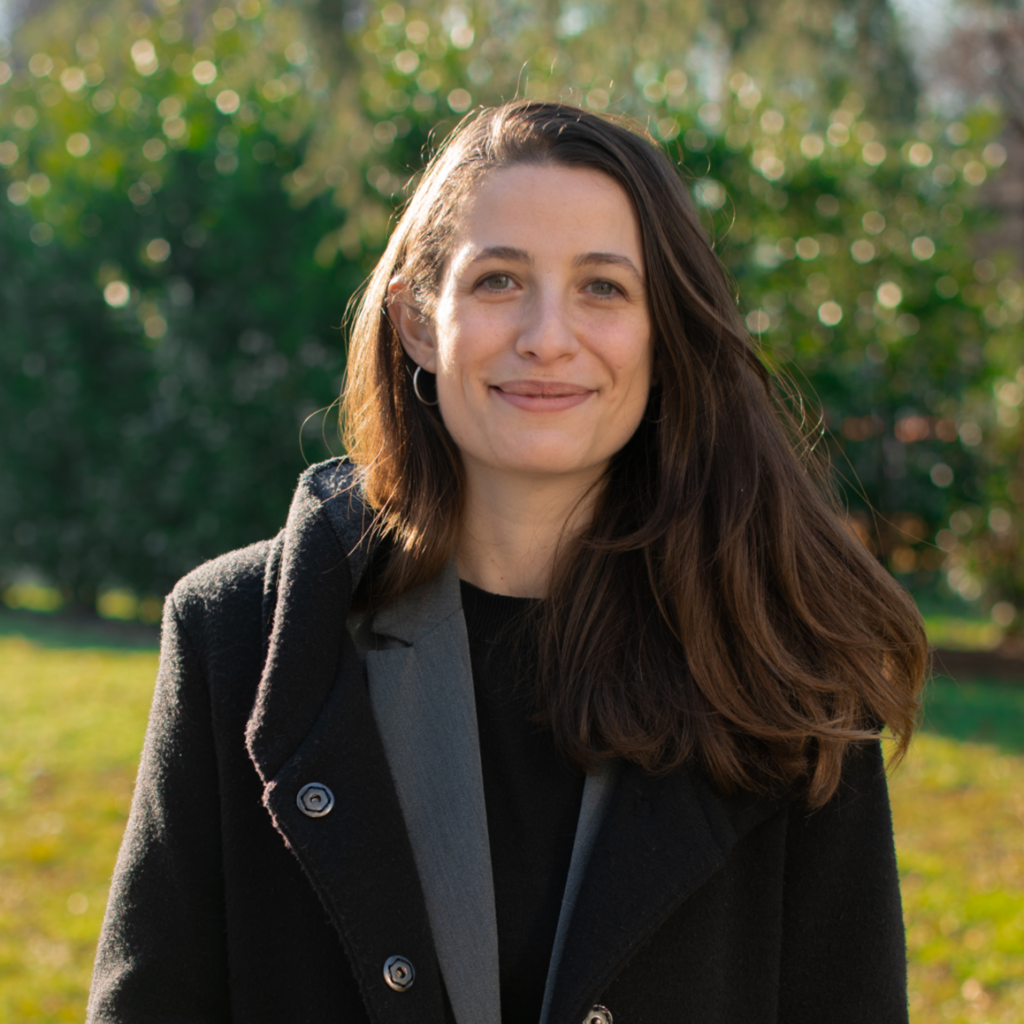
André Freitas
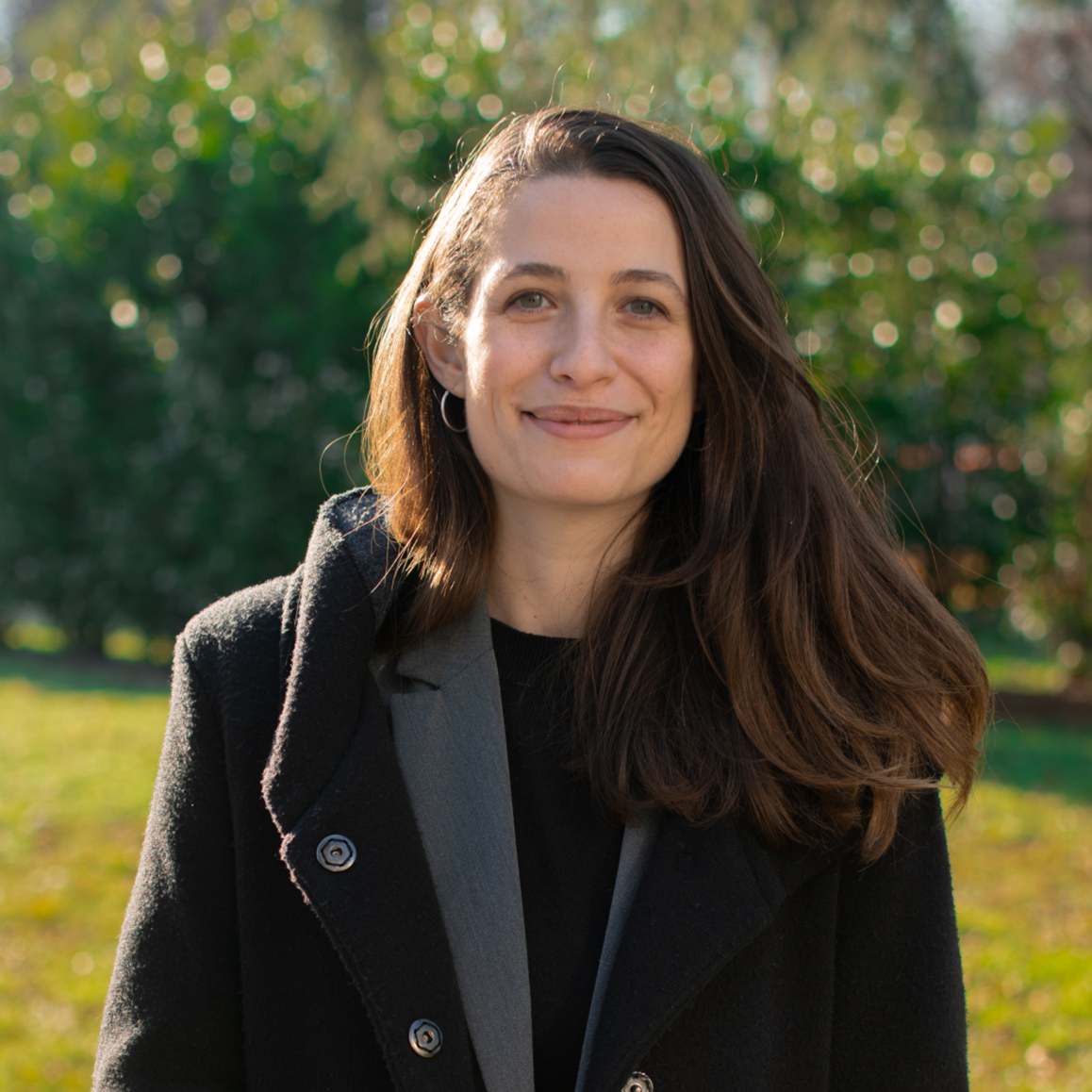
Finished bachelor’s degree in Informatics Engineering and started Master’s in Interactive Media and Design
Currently collaborating with CogMap
Linkedin:https://www.linkedin.com/in/andré-freitas-8804b2231/
PhD Student
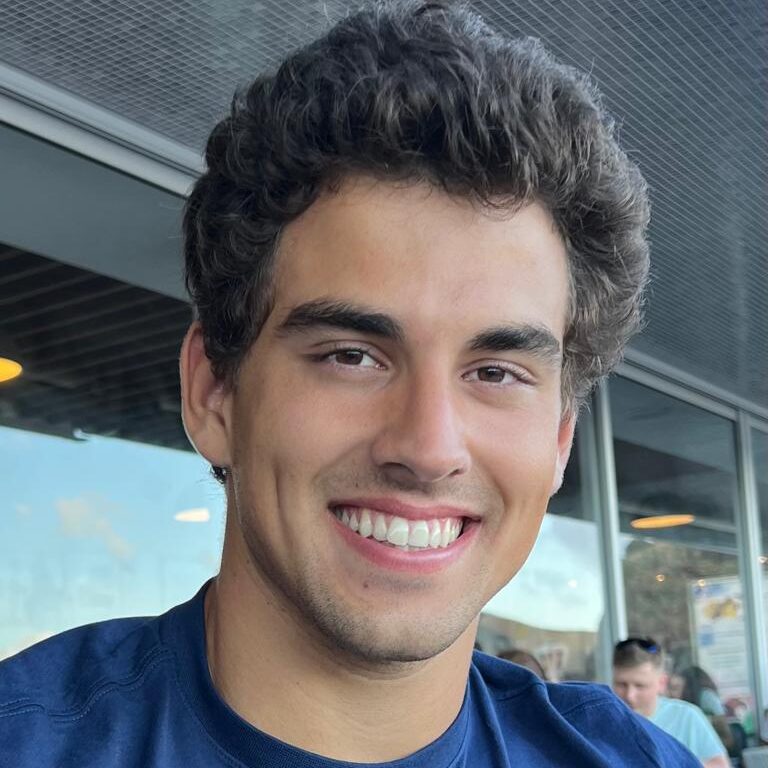
Caterina Sapone
She holds a Master’s degree in Planning and Management of Educational Interventions in Social Distress from the University of Bologna. Previously, she worked as a trainer for ESC-funded projects in Bologna. Currently, she is a PhD candidate in Digital Humanities at Pegaso University (Milan) and is conducting her final year of research abroad at the University of Madeira, Portugal. Her research integrates perspectives from cognitive psychology, education, and sociology to explore the field of human-technology interaction. At the core of her work is the testing of interactive narratives as tools to enhance Virtual Reality experiences and foster well-being and learning outcomes.
ResearchGate: https://www.researchgate.net/profile/Caterina-Sapone?ev=hdr_xprf
PhD Student
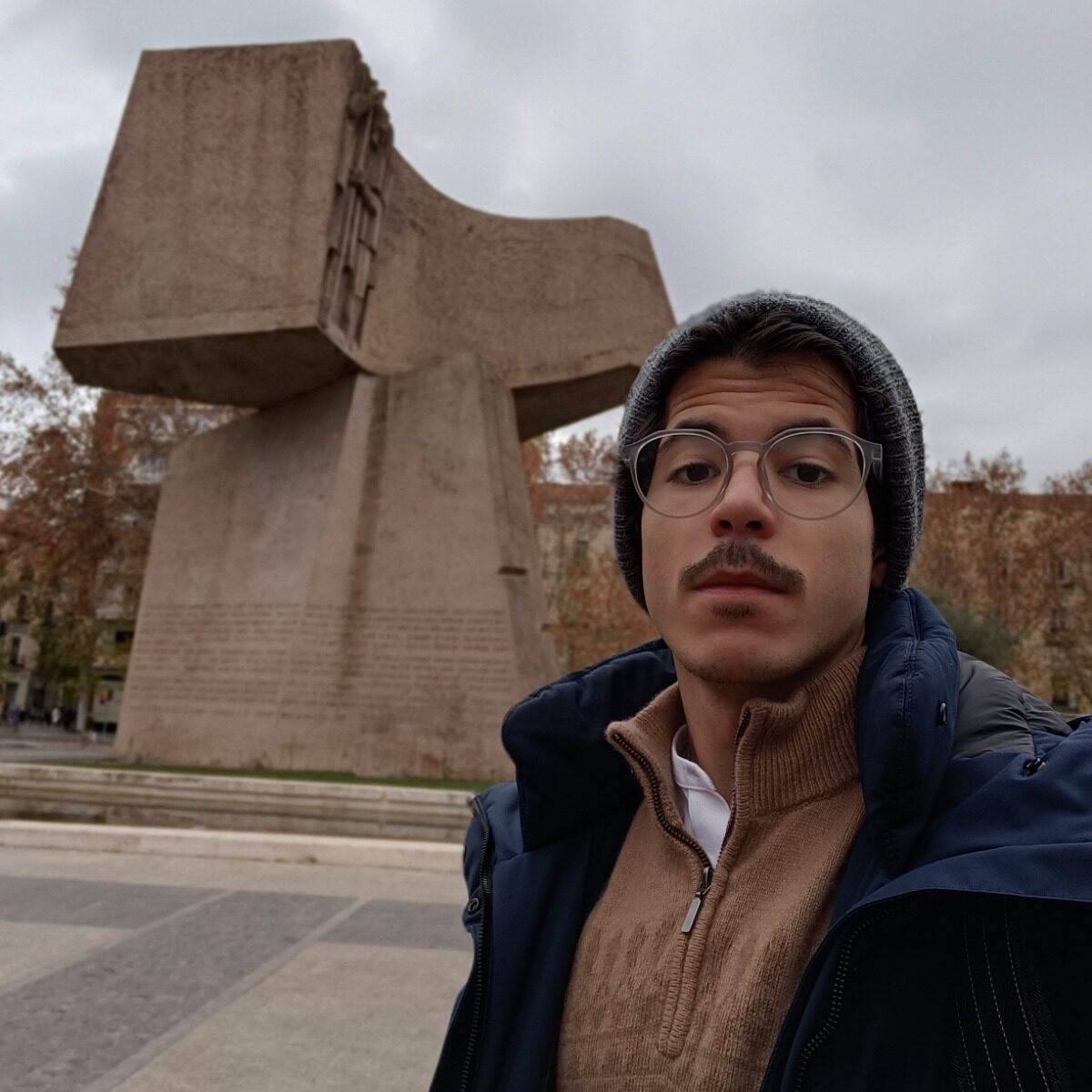
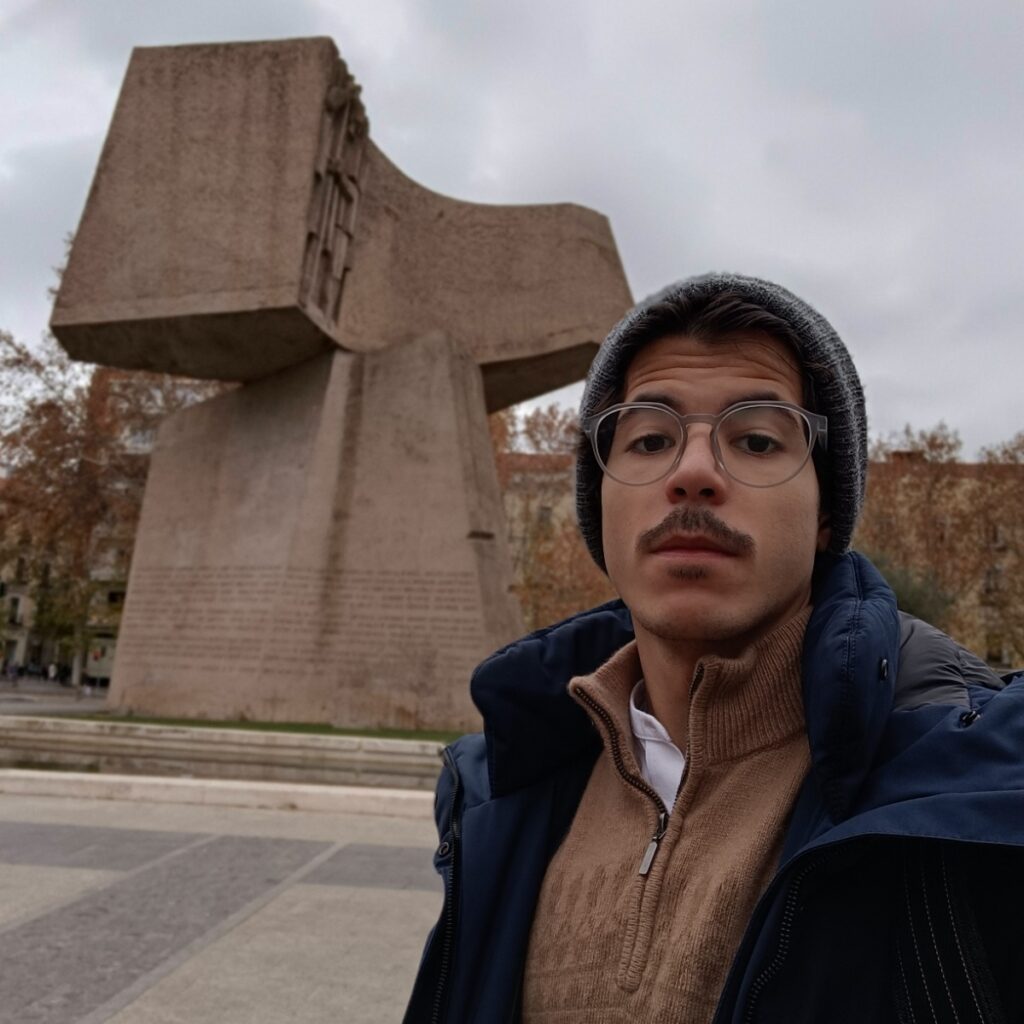
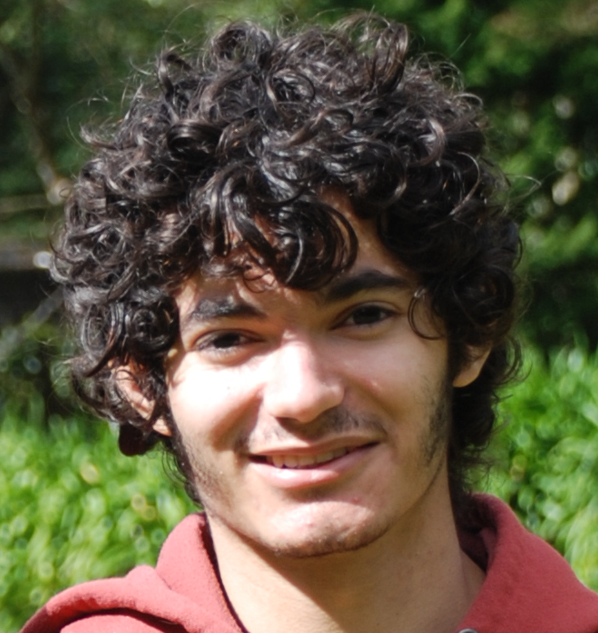
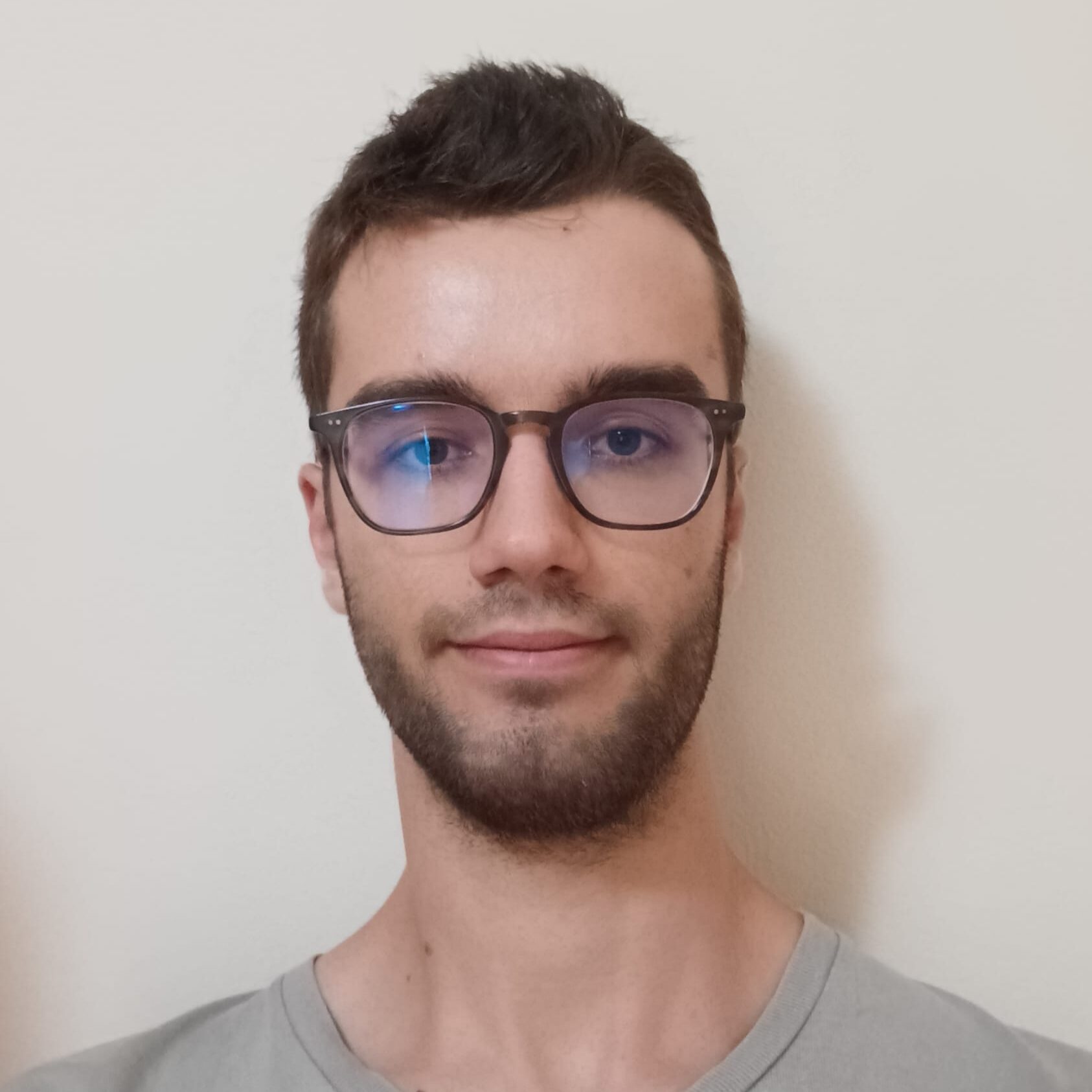
Paulo Teles
Aluno de doutoramento em Engenharia de Software com ramificações ligadas à Engenharia Civil, 25 anos.
Bachelor's Student
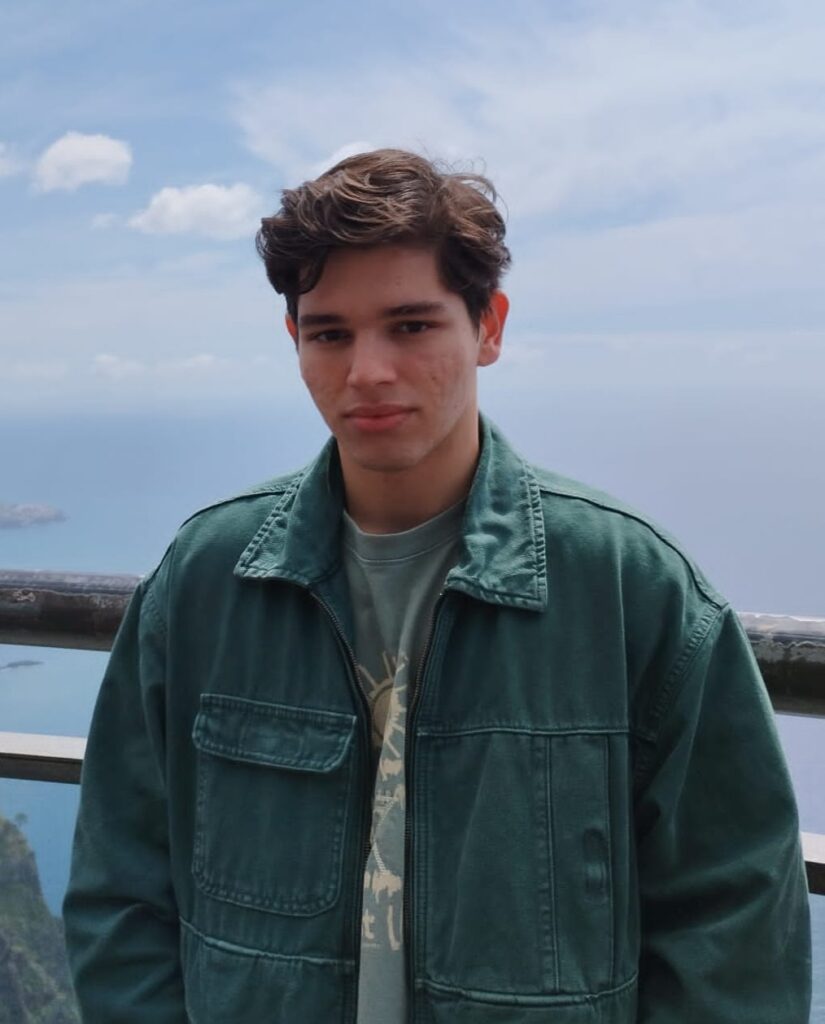
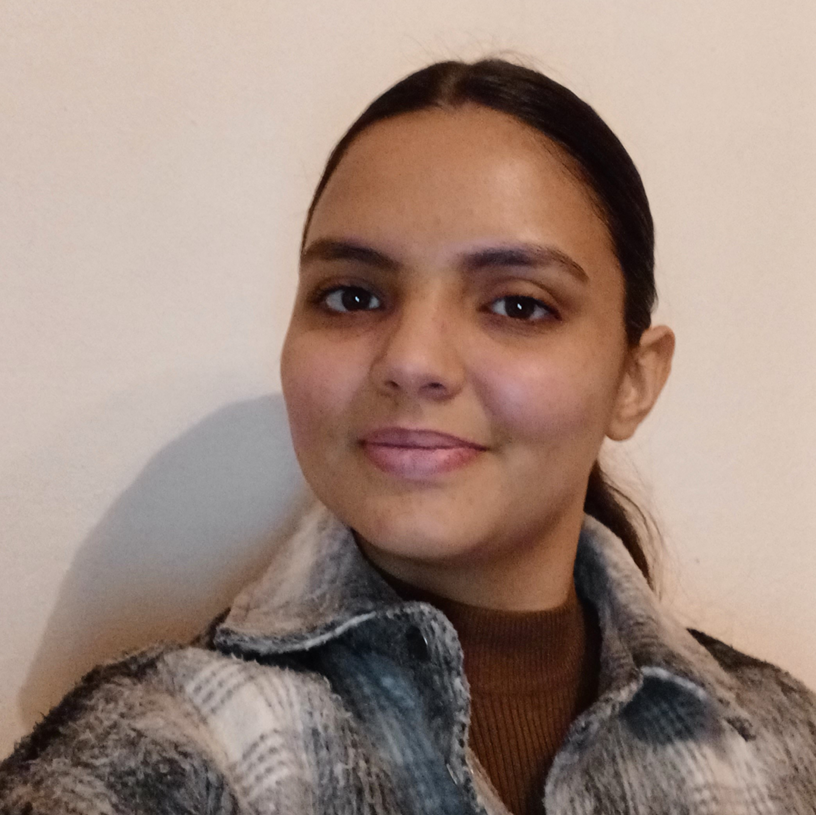
Leonor Maria Vieira
Finalista da Licenciatura em Engenharia Informática na Universidade da Madeira. Atualmente encontra-se a realizar o seu estágio curricular na empresa, participando no desenvolvimento de um projeto tecnológico.
Master's Student
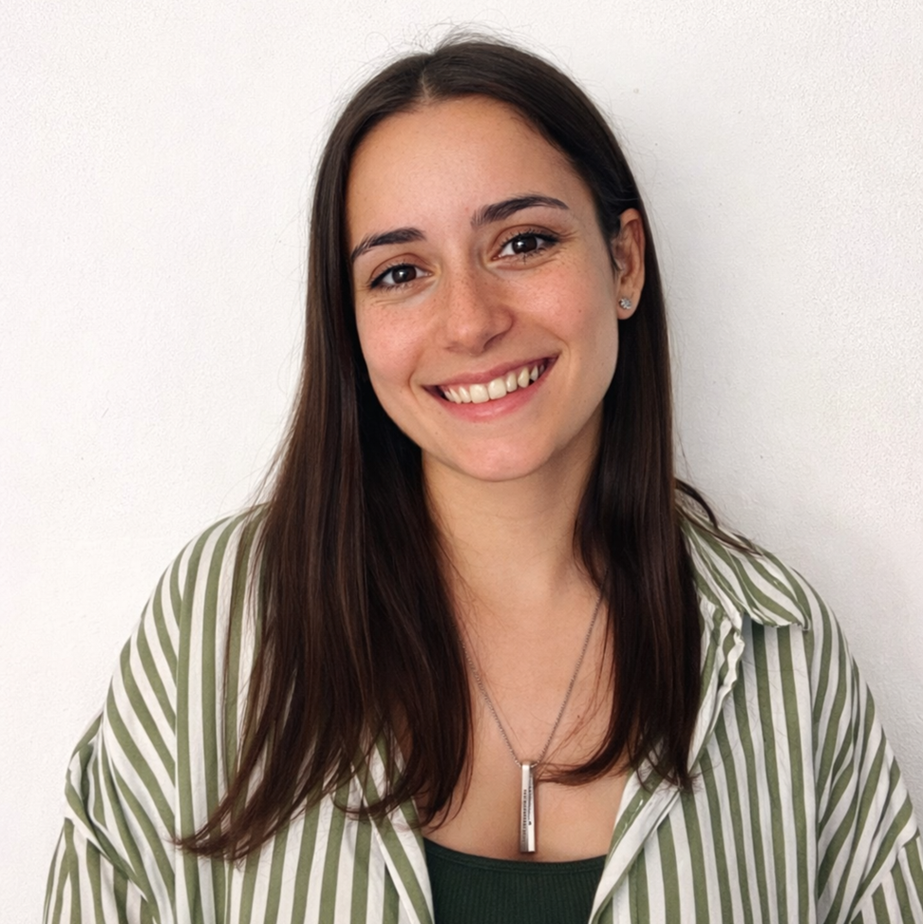
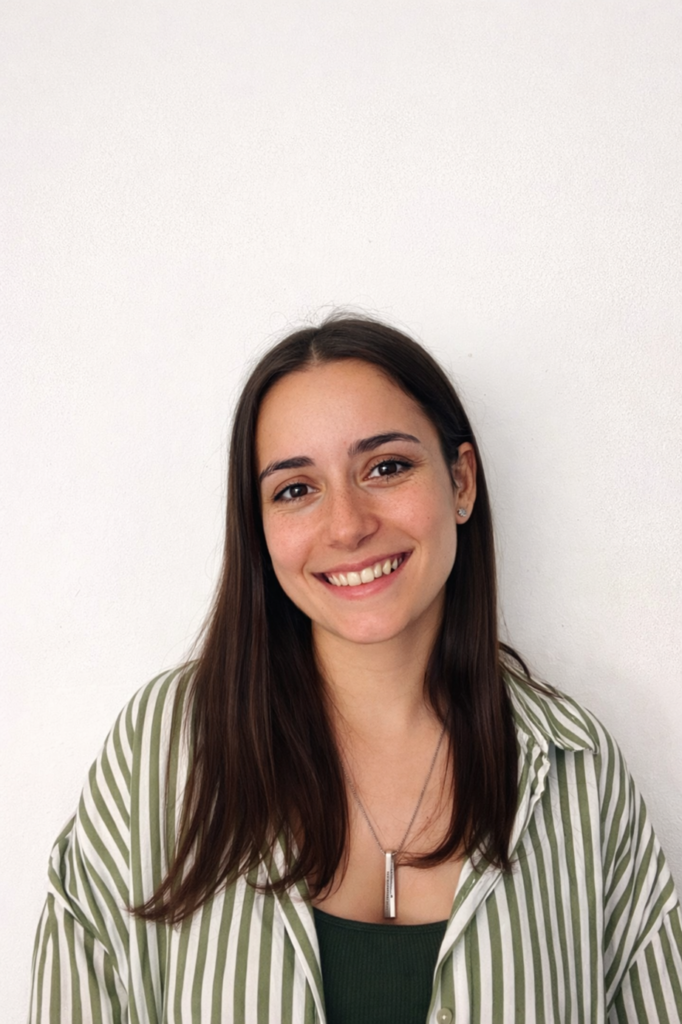
Filipa Rocha
Estudante de Mestrado em Psicologia da Educação.
Master's Student
Beatriz Catanho da Silva
Sou estudante de Mestrado em Psicologia Clínica, da Saúde e Bem-Estar e estou atualmente a realizar o meu estágio curricular no Serviço de Psicologia integrado na Consulta Externa do Serviço de Reumatologia do SESARAM.